
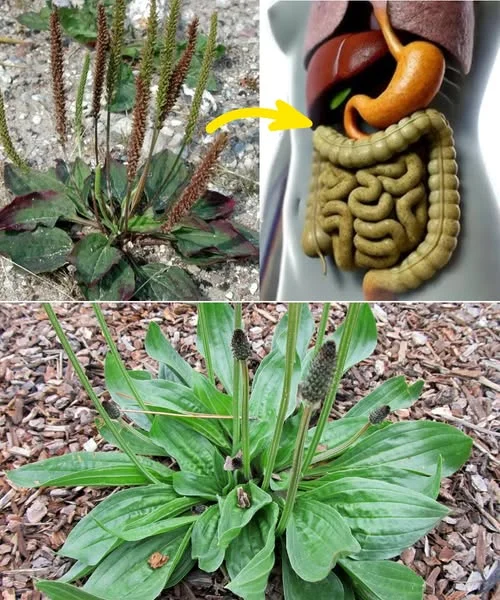
Have you heard of greater plantain (Plantago major), often known simply as “broadleaf plantain” or “plantain”?
Although it often grows unnoticed in backyards and along sidewalks, this unassuming plant is a true healing powerhouse worth knowing about. From relieving gastritis to calming asthma, greater plantain has been used in folk medicine for centuries – and now science is starting to catch up.
In this article, you’ll learn what ailments greater plantain can help treat, how to prepare it step-by-step, and why it deserves a place in your natural medicine cabinet – especially for supporting bones, liver, kidneys, digestion, and blood sugar levels.
🌿 What is greater plantain (plantain)?
Greater plantain is a perennial herb native to Europe and Asia, but now widely used worldwide. It is considered a weed, but it is rich in antioxidants, flavonoids, mucilage and tannins – making it extremely versatile as a natural remedy.
✅ Health benefits of plantain
1. Supports bone and joint health
It has anti-inflammatory effects, helping to reduce joint swelling. Its high silica and calcium content can strengthen bones and naturally relieve symptoms of arthritis and rheumatism.
2. Detoxifies the liver and kidneys
As a natural detoxifier, it helps to flush toxins from the liver and kidneys. Regular use can cleanse the body, reduce water retention and improve urine flow.
3. May help treat diabetes
According to some studies, plantain can stabilize blood sugar levels and improve insulin sensitivity. Consuming it before meals can help prevent blood sugar spikes and reduce appetite.
4. Improves Digestion
If you suffer from gastritis, reflux, irritable bowel syndrome (IBS), or hemorrhoids, psyllium can soothe your digestive system. Its mucilaginous texture forms a protective layer in your stomach and intestines.
5. Relieves Respiratory Problems
It is used as a natural remedy for asthma, bronchitis, and coughs. It reduces inflammation in the airways, loosens mucus, and makes breathing easier.
6. Treats Wounds and Skin Irritations
Applied externally, freshly crushed leaves help treat minor cuts, insect bites, and rashes. It is a natural antiseptic and pain reliever.
🍵 Step-by-step instructions for making psyllium tea
Ingredients:
1 tablespoon dried psyllium leaves (or a handful of fresh leaves)
1 cup hot water
Preparation:
Place the leaves in a mug or teapot.
Pour boiling water over them.
Cover and let steep for 10–15 minutes.
Strain and drink warm.
(Optional: you can flavor it with a slice of lemon or a teaspoon of honey.)
🕒 Directions
For digestion, liver and kidney: 1-1 cup in the morning on an empty stomach and before going to bed at night.
For joint pain and inflammation: 2-3 cups a day for a few days.
For diabetes: One cup 30 minutes before meals.
External Use: Crush fresh leaves and apply directly to skin.
⚠️ Warnings and Precautions
Generally safe, but consult a doctor if:
Pregnant or breastfeeding
Taking blood thinners or diabetes medication
Sensitive to other plants in the Plantaginaceae family
Always start with a small dose to test your body’s reaction.
Final Thoughts
Plant psyllium is one of nature’s best-kept secrets – a simple plant with extraordinary medicinal properties. Whether you’re looking to improve your digestion, support liver and kidney function, relieve joint pain, or regulate blood sugar levels – this plant offers a natural and affordable solution, even from your own garden.
Don’t underestimate the power of plants – sometimes the medicine is literally growing under your feet! 🌿
